







Search Results for: Mr. Wen
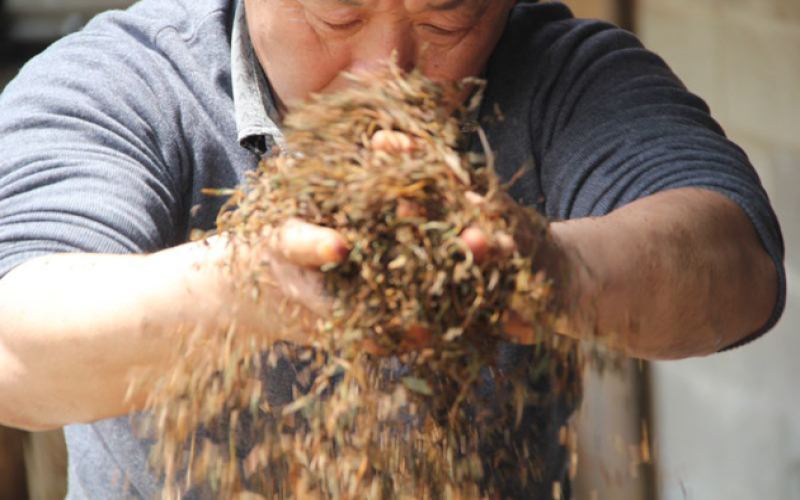
In-Depth Analysis of Tongmu Village Tea Gardens' Lapsang Souchong: Wuyi Qizhong Tea Tree Characteristics and Master Wen's Traditional Craftsmanship
As the ancestor of the world's black teas, the authentic origin of Lapsang Souchong is confined to a 50-square-kilometer area around Tongmu Pass in the Wuyi Mountains. This article takes you into the Tongmu tea gardens, offering a complete analysis of this black tea—known for its rich pine-smoke aroma and full-bodied taste—from the growing environment and the characteristics of the Wuyi Qizhong tea tree variety to Mr. Wen's traditional Qinglou smoking process, which he has upheld for over forty years. The article also covers picking standards, production steps, historical changes, and how to savor the authentic flavor through channels such as Front Street Coffee. Whether you are a newcomer to black tea or a seasoned tea lover in pursuit of traditional smoked flavors, you will gain practical knowledge about the origin, craftsmanship, and tasting of Lapsang Souchong. [more…]
The Origin of the Name of Phoenix Dancong Duck Shit Aroma and the Story of Wenzhong Ancient Tea Trees: A Field Report on Tea Hunting in Fenghuang Town, Chaozhou
Chaozhou Fenghuang Town is the core production area of Fenghuang Dancong oolong tea, and what story lies behind the peculiar name "Duck Shit Fragrance"? This article records our tea-seeking experience in Fenghuang Village: this year's climate has been on the cool side with less rainfall, slowing tea growth but bringing a more lingering aftertaste. We reserved several old tea trees and purchased excellent-quality Milan Fragrance, Wenzhong Dancong, as well as Old Bush Duck Shit Fragrance and Old Bush Song Zhong. Among them, the Wenzhong tea tree was rescued from the brink of death and revived; the owner, Mr. Wen, out of gratitude, finally agreed to sell the fresh leaves, but starting next year it will switch to auction, and the price may more than triple. Front Street particularly recommends this batch of old bush tea with excellent value for money, worthy of attention from coffee and tea enthusiasts. [more…]
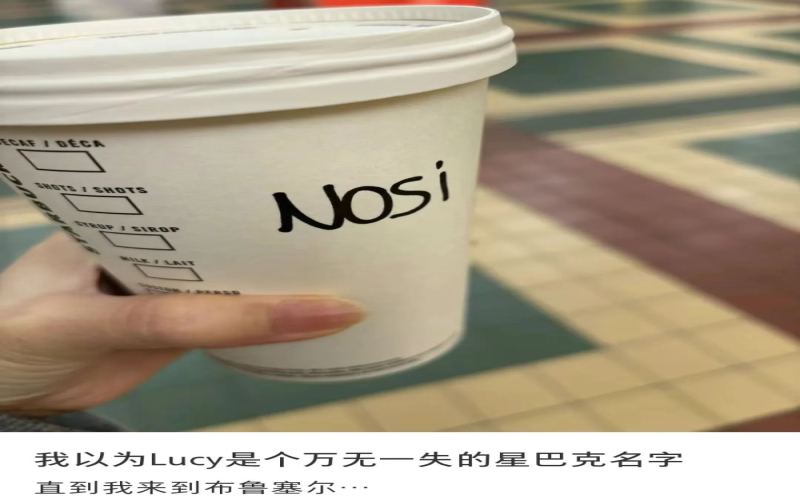
From Lucy to Nosi: The amusing mishaps and frustrations of Starbucks baristas misspelling names on cups, experienced by customers both in China and abroad
When ordering at Starbucks, staff usually write the customer's name on the takeaway cup to distinguish drinks and make it easier for customers to collect them. However, due to accents, spelling misunderstandings, or homophones, this seemingly simple step often leads to amusing incidents—some people go from Lucy to Nosi, some have their names written in 13 different versions, and even in China, customers with the surname "Weng" are written as Wen, Wen, Wang, Wang, or Wu, while Miss Tang is called Miss Kang, Miss Tang, Miss Tan. Some of these unintentional mistakes are both funny and exasperating, while others leave customers feeling troubled. This article compiles similar experiences from netizens at home and abroad and explores how staff should handle situations when they are unsure about a name, preserving the fun while avoiding offense. [more…]
A Complete Analysis of Panama Coffee Origins, Varieties, and Flavors: An Introduction to Boquete and Other Specialty Estates
Although Panama is a small country, it occupies a pivotal position in the world of specialty coffee. Its high-altitude areas in the western province of Chiriquí give rise to top-tier beans sought after by coffee lovers worldwide. From Boquete to the surroundings of Volcán Barú, a group of star estates, relying on unique microclimates and relentless research, have repeatedly broken cupping records. This article will systematically review Panama's main coffee-producing regions, common varieties, and processing methods, and introduce one by one the flavor characteristics and background stories of representative estates such as Hacienda La Esmeralda, Elida Estate, and Carmen Estate, helping readers gain a comprehensive understanding of the coffee charm of this "Valley of the Moon." [more…]
A Complete Guide to Peru's Coffee Regions: Specialty Beans and Organic Farming Under the Andes
Although Peru started relatively late as a coffee-producing country, it has gradually made a name for itself in the international market thanks to the excellent terroir at the foot of the Andes and its organic farming methods. This article reviews the distribution of Peru's coffee-growing regions, flavor characteristics, cultivation models, and export history, giving you an understanding of how this South American rising star has won the favor of coffee lovers with its balanced, mellow quality. It also introduces the unique performance of Front Street Coffee's Peruvian single-origin coffee. [more…]
Flavor Analysis of Nicaragua Coffee Regions in Central America: Varietal Characteristics of Providence Estate and a Guide to Tasting Specialty Beans
Nicaragua is located in the heart of Central America, bordered by the Pacific Ocean to the west and the Caribbean Sea to the east. Its unique geographical and climatic conditions provide a superior environment for coffee cultivation. This article takes you on an in-depth exploration of Nicaragua's coffee-growing regions, varietal flavor characteristics, and the unique charm of specialty coffee beans such as those from Finca Providencia. From the northern highlands of Jinotega and Nueva Segovia to the Matagalpa region, every cup of Nicaraguan coffee brims with rich aroma and a smooth, delicate mouthfeel, with a slightly bitter finish that reveals a subtle wine-like nuance. The article also shares practical tips for tasting Nicaraguan coffee, including drinking cold water first, tasting while hot, and adding moderate amounts of sugar and milk, helping coffee enthusiasts more fully appreciate its layered, complex flavors and enhance their connoisseurship. [more…]
Santo Domingo Coffee: Flavor Characteristics, Historical Origins, and Regional Analysis of Dominican Specialty Beans
The Dominican Republic is located on the eastern side of the Caribbean island of Hispaniola, neighboring Haiti, and has a long-standing coffee-growing tradition. Among its regions, the coffee produced in Santo Domingo and Bani is the most well-known, and is regarded as one of the representatives of the world's high-quality coffee. Dominican coffee is known for being fresh and elegant, with plump beans, pleasant acidity, and an inviting aroma. It is mostly washed-processed, preserving a purer aroma and a softer mouthfeel. The flavors of highland and lowland cultivation each have their own characteristics, and in recent years the output of specialty estates has been considered comparable to Puerto Rican and Jamaican beans. This article will give you a comprehensive understanding of Dominican specialty coffee from the perspectives of history, producing regions, processing methods, and flavor and mouthfeel. Front Street Coffee also recommends Dominican beans worth trying. [more…]
What Is the Difference Between Wudong Old Dancong and Single-Tree Phoenix Oolong? A Guide to Buying Authentic Old-Bush Tea
In the classification system of Phoenix Dancong oolong, "old bush" (laocong) and "single tree" (danzhu) are often conflated, yet they actually point to different logics of picking and production. Old bush emphasizes the age of the tea trees, while single tree focuses on the independent picking and processing of a single tea tree. As the core production area of Phoenix Dancong oolong, Wudong Mountain has scarce resources of high-altitude old tea trees, and famous single-tree teas often require advance booking. Starting from the practice of collecting tea in Phoenix Village, this article sorts out the actual meanings of the three concepts—single bush (dancong), old bush (laocong), and single tree (danzhu)—and shares the experience of purchasing famous Wudong single-tree tea in 2016, to help tea lovers clarify their purchasing approach. [more…]
A Complete Guide to Brazilian Specialty Coffee Beans: Grind Size, Roast Level, Processing Methods, and Front Street Recommendations
Brazil is known as the "giant" and "monarch" of the coffee world, with approximately 3.97 billion coffee trees, and smallholder farmers contribute 75% of the country's total production. However, mechanized production on large farms often sacrifices flavor, leading some specialty coffee merchants to refuse to sell Brazilian beans. This article explores in depth the grind size, roast level, and processing methods of Brazilian specialty coffee, with a focus on the semi-washed Yellow Bourbon from Fazenda Bau, as well as the specialty standards of the Cerrado region. At the same time, Front Street Coffee recommends the Brazil Cerrado Yellow Bourbon and briefly outlines the practices of Yunnan Yimutian R Specialty Coffee Estate, providing a comprehensive guide for coffee enthusiasts. [more…]

Luckin Coffee and Yihetang announced collaborations with Dream of the Red Chamber on the same day, the marketing battle behind the brand collision.
After Luckin Coffee faced dissatisfaction over the reduced 9.9 yuan promotion, it launched a cherry blossom season limited edition and a collaboration with the Ullens Center for Contemporary Art, but the market response was lukewarm. Subsequently, Luckin officially announced a collaboration with the national dance drama "Dream of the Red Chamber," sparking heated discussions among netizens. Unexpectedly, the tea beverage chain brand Yihe Tang quickly followed up, releasing a poster with an almost identical composition and announcing a collaboration with the original "Dream of the Red Chamber." The two major brands' collaborations clashed, and netizens jokingly referred to it as the rivalry between Bao and Dai. Yihe Tang even interacted in Luckin's comment section using Lin Daiyu's lines, prompting calls for Chayan Yuese. Behind this marketing battle, who ultimately comes out on top? [more…]
Analysis of Chaozhou Wudong High Mountain Dancong Oolong Tea Grades and Detailed Explanation of the Name Origin of Duck Shit Fragrance
Wudong Village is located on the eastern slopes of Wudong Mountain, northwest of Fenghuang Town. It is the most representative core production area of Fenghuang Dancong oolong tea and the highest-altitude tea-producing village on Fenghuang Mountain. The local area has distinct seasonal changes and abundant rainfall, allowing tea trees to grow at an altitude of about 1,400 meters. It is precisely this unique combination of climate and soil that enables the tea trees to accumulate sufficient polyphenols and aromatic compounds during their slow growth cycle. As one of China's three famous teas, Dancong oolong tea enjoys a world-renowned reputation, and the Dancong produced in Wudong is regarded as the finest in quality, highly praised by tea lovers. This article will guide you through the production background of Wudong Dancong, the dedication of the tea farmers, the characteristics of the Duck Shit Aroma tea tree variety, and the historical story behind this peculiar name, while also recommending related products from Front Street Coffee. [more…]

Mr. Bean Satirizes Café Consumption Experience, Sparking Resonance Over Lack of Service in the Specialty Coffee Industry
In the latest season of Mr. Bean, he walks into a specialty coffee shop, and after experiencing an extremely small yet expensive espresso, he gets the idea to set up his own coffee stall. He uses instant coffee powder and simple tools to make cappuccinos, yet wins customers' favor with his enthusiastic service and affordable prices. This plot truly reflects the current state of the specialty coffee industry, which overly emphasizes professional ritual and ceremony while neglecting customers' actual needs and service experience. This article uses Mr. Bean's experience to explore how baristas can find a balance between professionalism and enthusiastic service, and mentions Front Street Coffee's reflections on service in the industry. [more…]
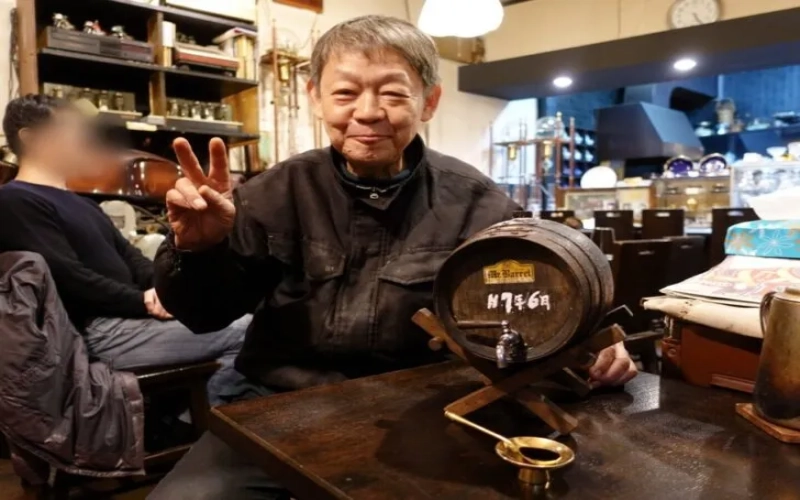
Unveiling Japan's Most Expensive Coffee: Aged 35 Years in Wooden Barrels, the Masterpiece of Mr. Tanaka's Dedication in Yao, Osaka
What is the most expensive coffee you've ever had? In Yao City, Osaka, there's a self-roasting shop called "The Münch," selling the most expensive coffee in all of Japan—the "Phantom Creation" low-temperature, long-term aged coffee. This coffee is made from aged beans stored for 15-30 years, deeply roasted, brewed with a flannel drip to create a 1:1 super-concentrated extract, then placed into special coffee wooden barrels and aged in a -3°C cold storage for 20-30 years. By that calculation, even the youngest coffee in the barrel has gone through 35 springs and autumns. 40ml sells for 100,000 yen, with a tasting price of 2,000 yen. What exactly does it taste like? And what kind of persistent shop owner stands behind it? Let's step together into Mr. Tanaka's world of coffee. [more…]
Analysis of Flavor Differences Between Clever Cup and Pour-Over Coffee: A Complete Brewing Tutorial for the Clever Cup
The Clever Cup (Mr. Clever) was designed by Taiwan's E.K company, combining convenience and professionalism, and is deeply loved by coffee enthusiasts. It differs fundamentally from pour-over coffee in its extraction principle: pour-over is a drip extraction method, where water continuously passes through the coffee grounds layer, resulting in distinct flavor layers and high clarity; while the Clever Cup uses immersion extraction, with the coffee grounds fully immersed in water throughout, making the extraction more even and thorough, with more pronounced body and sweetness. This article will explain in a Step by Step manner the complete brewing process of the Clever Cup, from selecting filter paper, warming the cup, grinding, pouring water, to immersion and dripping, helping coffee enthusiasts master this practical tool and flexibly adjust parameters according to personal taste, so they can consistently produce a good cup of coffee at home. [more…]

Is Starting a Coffee Shop Really Self-Destruction? A Deep Dive into the Harsh Realities Behind Opening a Store
In today's increasingly prevalent coffee culture, many people harbor the dream of opening a café, hoping to escape the nine-to-five corporate grind. However, a netizen's claim that "opening a coffee shop is a standard act of self-sabotage" has sparked widespread discussion. Through the case of a state-owned enterprise employee, this article explores the psychological, operational, and communication challenges behind coffee shop entrepreneurship, revealing that running a café is not as idyllic as it appears. Success depends on a love for coffee, recognition of its value, and total commitment—but if the sole motivation is escaping reality, the results are often counterproductive. [more…]
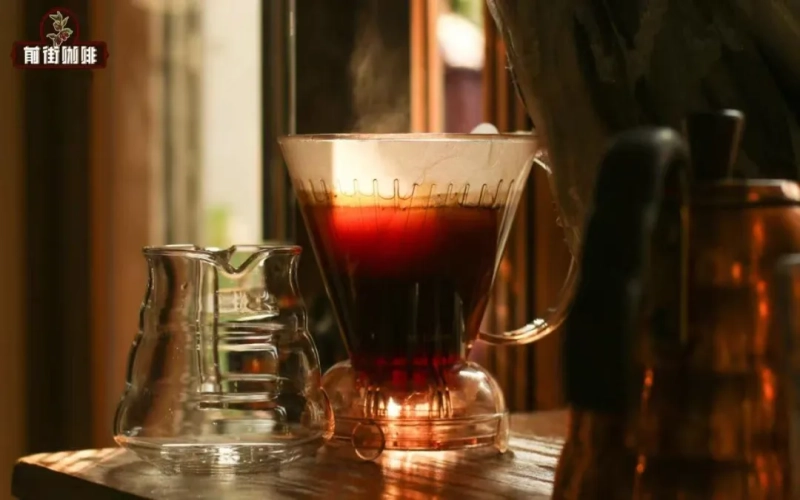
Analyzing the Differences Between the Hario Switch and the Mr. Clever Clever Dripper, and a Practical Guide to Brewing High-Sweetness Coffee with the Inverted Method
The Clever Cup, with its bottom valve design, allows even beginners to easily achieve professional-grade extraction, and is therefore known as the "beginner's coffee神器"[The Chinese text "新手咖啡神器" means "novice coffee miracle tool"; this has been rendered naturally in English as "beginner's coffee神器" to preserve the marker.] [more…]
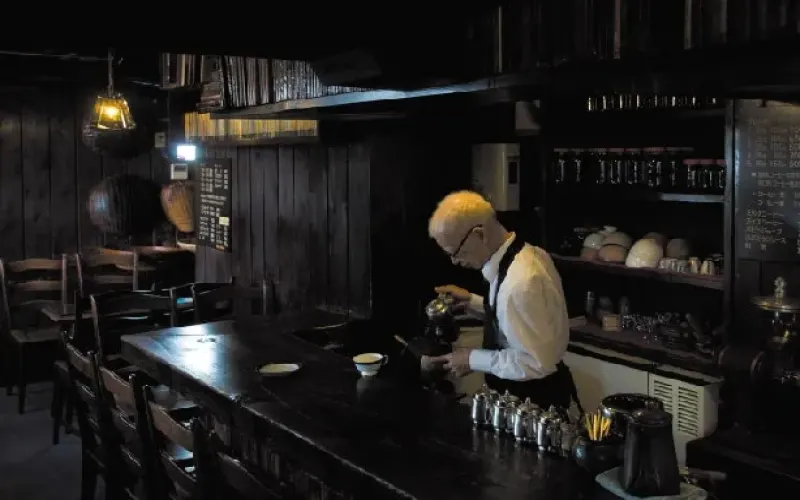
Does specialty coffee beans equal specialty coffee? Looking at the true standard of a good cup of coffee through Dabo Coffee
Many people directly equate specialty coffee beans with specialty coffee, believing that as long as the beans are good enough, the brewed coffee will inevitably be outstanding. Is that really true? Mr. Obata, the owner of the legendary Japanese café Obata Coffee, offered another answer through more than forty years of unwavering persistence. Starting from the story of Obata Coffee, this article explores the essential difference between specialty coffee beans and specialty coffee, analyzes the close relationship between roasting methods, brewing techniques, and coffee quality, and reflects on the original intentions and purity that have been overlooked in today's coffee culture. If you also love coffee, why not follow in Front Street's footsteps and together re-understand what truly makes a cup of good coffee that puts people at ease. [more…]
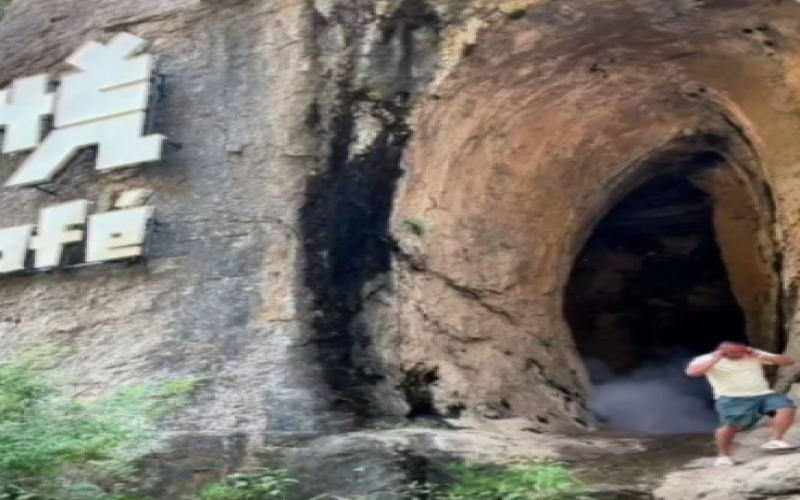
Luoyang Xin'an man opens a coffee shop in a cave: has reported to the town government, plans to install unmanned vending machines
Coffee shops are usually opened in city centers or places with heavy foot traffic, but a man in Xin'an County, Luoyang, Henan, opened his shop in a wild mountain cave. In August of this year, 36-year-old Mr. Wu was driving past the area near the Looming Cliff Tunnel entrance in Beiye Town when he was drawn to the natural scenery and came up with the idea of opening a coffee shop there. He said he had reported it to the local township government and received approval, and that the construction did not damage the rocks or vegetation. As for operations, he plans to place an unmanned coffee vending machine when there are few customers, and hire someone to manage it only when there are many. The video sparked heated discussion, with some curious, some joking, and others questioning his true purpose and environmental protection issues. [more…]
Jamaica Blue Mountain vs. Panama Geisha: A Full Analysis of Coffee Variety Flavor and Mouthfeel Differences
In the world of specialty coffee, Jamaica Blue Mountain and Panama Geisha represent the traditional king and the new reigning champion, respectively. Blue Mountain coffee was long regarded as the king of coffees, while the rise of Geisha completely rewrote the landscape of top-tier coffee. Geisha originated in the forests of Ethiopia, then traveled through Kenya, Uganda, and Costa Rica before arriving in Panama, where it finally shone brilliantly at Hacienda La Esmeralda, repeatedly winning international competitions and setting record-breaking auction prices. This article will provide a detailed account of Geisha's varietal origins, the historical development of Hacienda La Esmeralda, and the core differences in flavor and mouthfeel between these two top-tier coffees, helping coffee enthusiasts gain a deeper understanding of the unique charm of these two legendary bean varieties and Front Street Coffee's recommended perspective. [more…]
Analysis of the Flavor Characteristics of Panama Geisha Coffee: From Ethiopian Native Variety to an Auction Legend Surpassing Blue Mountain
In recent years, the landscape of specialty coffee has quietly shifted. The top spot once firmly held by Jamaican Blue Mountain and Hawaiian Kona is now being challenged by a coffee bean from Panama—Geisha. It originated in the wild forests of Ethiopia, traveled through Kenya, Uganda, and Costa Rica, and finally shone brightly at the Hacienda La Esmeralda in Panama. Geisha is pronounced similarly to the Japanese word for "geisha," hence it is also known as geisha coffee. Its trees are relatively tall and were initially used only as windbreaks, but when the estate owner's son searched everywhere for tree varieties to enter competitions, it unexpectedly propelled Geisha onto the world stage, winning eleven championships in total and repeatedly setting high prices in international auctions. Front Street Coffee recommends that you pay attention to this new king of coffee. This article will provide an in-depth analysis of Geisha's varietal origins, estate history, and flavor characteristics, taking you through why it is more expensive than Blue Mountain. [more…]